Whether you’re a bourbon newbie eyeing the shelf or a seasoned sipper wondering about the newest release, you’ve probably seen the phrase character-oriented bourbon pop up in reviews, tasting notes, or labels. It sounds fancy, but what does it really mean? And how does it help you pick your next pour — especially if you’re looking for something with younger bourbon brightness, noticeable grain character, or those bright notes that jump out on the nose and palate?
In this post, I’ll break down the term in plain English, covering the most important themes like subjective taste, flavor profile mapping, the impact of proof and mash bill, and how all these come together to define a bourbon’s unique personality. Whether you like your bourbon neat, on the rocks, or in a cocktail (because I always ask!), understanding character helps you find something you really enjoy beyond scores or buzzwords.
Why “Character-Oriented” Is More Than a Buzzword
When distillers, bartenders, or reviewers say a bourbon is "character-oriented," they're usually highlighting that the whiskey has a strong, distinctive, and memorable profile. It’s not one of those “smooth, easy sippers” that you can drink blandly. Instead, it’s a bourbon that stands out for its unique features — sometimes bold and spicy, other times fruity or creamy, or maybe full of toasted oak and vanilla.
But here’s the catch: what counts as character varies wildly between drinkers because individual preference and perception are subjective. That means your friend might love a certain rye-heavy mash bill for its peppery kick while you prefer corn-rich sweetness and bright fruit.
In short, character-oriented bourbons invite you to explore and lean into their flavor nuances, making every sip an experience rather than just a routine drink.
Mapping Flavor Profiles: The Bourbon Flavor “GPS”
To get a grip on what makes a bourbon’s “character,” it helps to map out the common flavor profile categories. Think of it like a flavor GPS — a way to plot where a bourbon’s tastes and aromas land. The main flavor categories I note in my trusty notebook are:
- Sweet: vanilla, caramel, honey, butterscotch Spicy: pepper, cinnamon, clove, baking spices Fruity: cherry, apple, citrus, stone fruit Oaky: toasted oak, cedar, leather, tobacco Dessert-like: chocolate, nutmeg, toffee, molasses
When someone says a bourbon is character-driven, they often mean it’s expressing these elements boldly or intriguingly — maybe a burst of bright cherry upfront, a peppery rye spice middle, and a warm vanilla oak finish.
Understanding where your bourbon sits across these categories can help you pick ones that suit your mood or taste engine. For example, if you crave something with “bright notes” — like citrus or fresh fruit — look for bourbons with a reputation for lighter, younger profiles. If you want warmth and depth, a pronounced oaky or spicy bourbon might be your best bet.
Proof Matters: Heat Versus Intensity
Proof is the volume of alcohol by measure, and it plays a huge role in how bourbon’s character is perceived. But here’s the trick: higher proof doesn’t always mean more intense flavor, although many equate it with “heat.”
Think of proof like a volume knob. At higher proofs (say 100+), the alcohol burn is marked, and some flavors might feel sharper or more “alive,” but those same flames can overshadow delicate notes. At lower proofs (around 80-90), the whiskey may feel smoother but sometimes less expressive.
For character-oriented bourbon, you want to strike a balance. Many distillers craft these bourbons around 90-100 proof to showcase core grain character and intricate flavors, without drowning them in heat.
Pro tip: Adding a few drops of water (yes, little drops — I use this like a volume knob in my notebook) can mute the burn and unlock hidden layers, helping you experience the full intensity and depth of character.
What's in the Mash Bill? How Grains Influence Character
The mash bill — basically the recipe of grains used to make bourbon — shapes its fundamental personality. Here’s what each main grain contributes:
Grain Typical Impact on Bourbon Character Flavor Notes Corn Dominant base for sweetness in bourbon Vanilla, caramel, honey, candy-like sweetness Rye Spices up the profile with pepper and dry heat Pepper, clove, cinnamon, herbal, sometimes citrusy Wheat Smoother, softer mouthfeel, less spicy than rye Nutty, creamy, bread-like, gentle spice Malted Barley Enzyme source, adds subtle maltiness Nutty, toasty, biscuityYou’ll often hear “grain character” in tasting notes — that’s just a way of saying the individual grains really shine through, not buried by too much age or wood. Younger bourbon especially tends to showcase this grain-driven brightness with fresh sweet corn or lively rye spices.
Younger Bourbon and Its Bright Notes
Older bourbon might have faded some of its original grain character in favor of leathery, woody, or caramelized notes gathered from the barrel over time. Younger bourbon, on the other hand, tends to feel vibrant and lively.
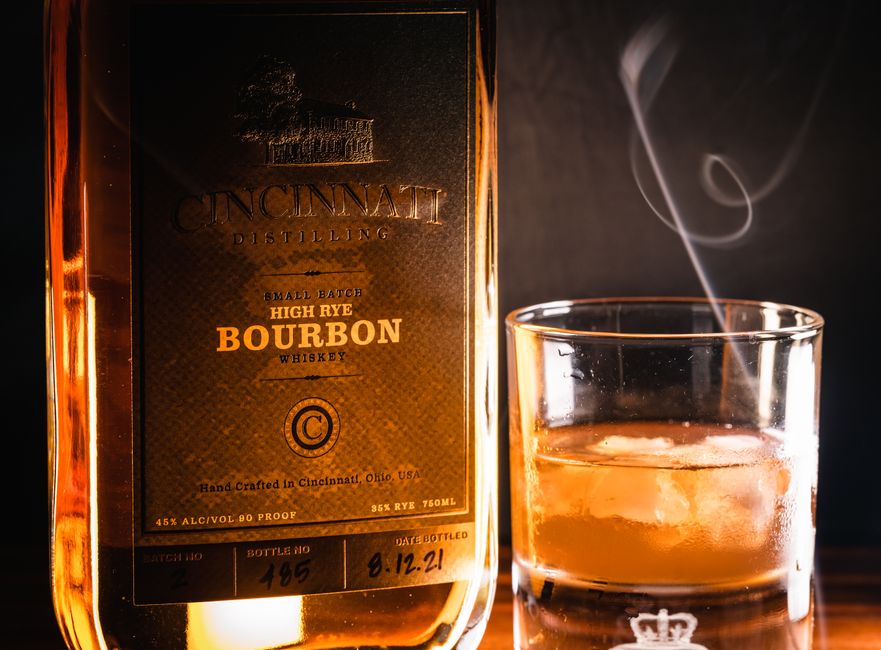
This “brightness” often translates into crisp fruit notes, fresh vanilla, and a certain zest that helps it stand out — perfect when you want character without the heavily burnt or overly mellow oakiness.
That’s why character-oriented bourbons often call back to these youthful traits: they crave vocal flavors that jump out of the glass rather than fade quietly into the background. It's the difference between a bourbon that says, “Hello, here I am!” versus one that hums softly from the back of the shelf.
Putting It All Together — A Real-World Example
Imagine a bourbon with a mash bill of 75% corn, 20% rye, and 5% malted barley, aged around 4 years and bottled at 95 proof. What might happen here?
- Sweet corn notes provide a creamy vanilla and caramel base. That rye component adds peppery spice and a bit of dark fruit zest — maybe cherry or plum. The moderate barrel aging unlocks toasted oak flavors, but it still retains some fresh, bright notes — giving you a mix of youthful energy with some woody depth. At 95 proof, the heat is noticeable but balanced — not burning off your taste buds but adding intensity.
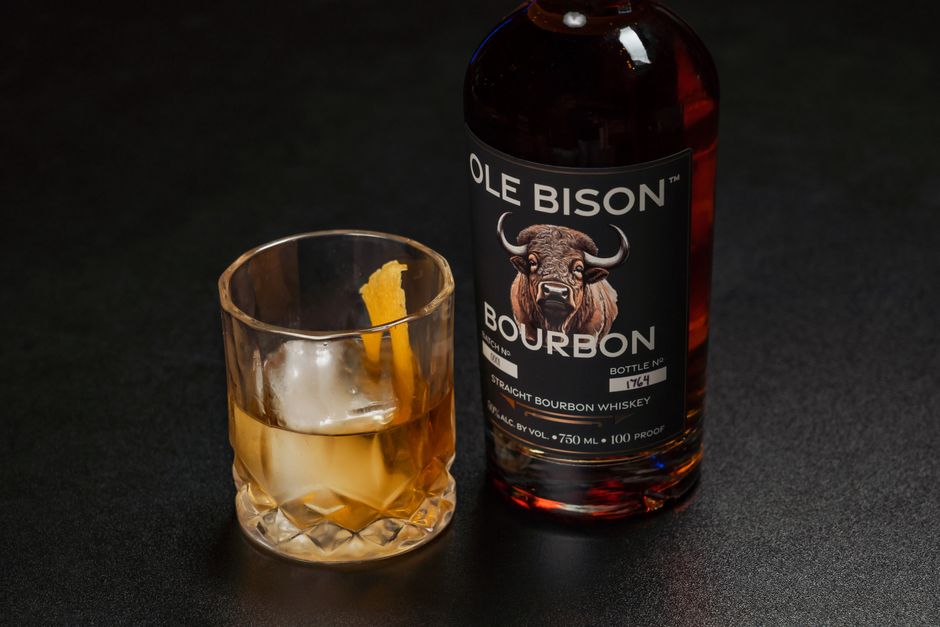
This bourbon would be a great example of a "character-oriented" pour that delivers distinct flavors to explore neat or with just a splash of water.
How to Talk About Character Without Getting Jargon-Heavy
One of my biggest pet peeves is when people try to sound smart but end up drowning you in technical jargon — “phenols,” “esters,” “congeners,” and so on — without helping you understand what you actually taste.
Here’s a simpler way: Think of bourbon’s what does proof mean whiskey character as its personality. Is it loud and spicy? Quiet and sweet? Flirty and fruity? Strong and woody? When you taste, try to name the flavors you notice in everyday words. That’s your personal character map.
When sharing a bottle with friends, ask them about their favorite aspects too! Personal preference rules — and “character-oriented” bourbons shine because they invite conversation and discovery.
Share the Knowledge: Use These Tools
If you found this useful, why not share it? There are two easy ways to spread the bourbon love online:
- Facebook Share — post this with your tasting notes and favorite character bourbons. X (formerly Twitter) Share — tweet your take and join the bourbon conversation.
(Replace currentURL with the actual URL of where you post this article.)
Final Thoughts
“Character-oriented” bourbon isn't a mysterious label or marketing fluff. It points to a whiskey that proudly showcases its personality — whether through bright, youthful grain notes, bold spice, or a balanced proof that lets you taste everything without heat getting in the way.
Next time you’re bourbon shopping, tasting, or chatting, remember: character is about what you experience and enjoy. No score or age-statement can replace your own palate.
And as always, ask yourself — neat, rocks, or cocktail? Because how you drink it shapes what character means to you.